Define the serve the business is selling
Every listed drink needs a usable specification. For wine and spirits that includes the measure. For cocktails it includes the recipe, method, glassware and garnish. Draught products need an agreed serve and a practical way to record line cleaning and waste.
This is not about removing skill from the bar team. It makes the promise to the guest clear and repeatable.
Reconcile sales, purchases and stock
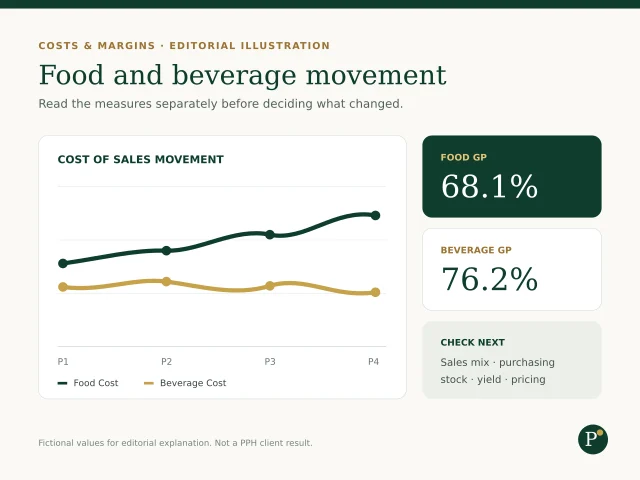
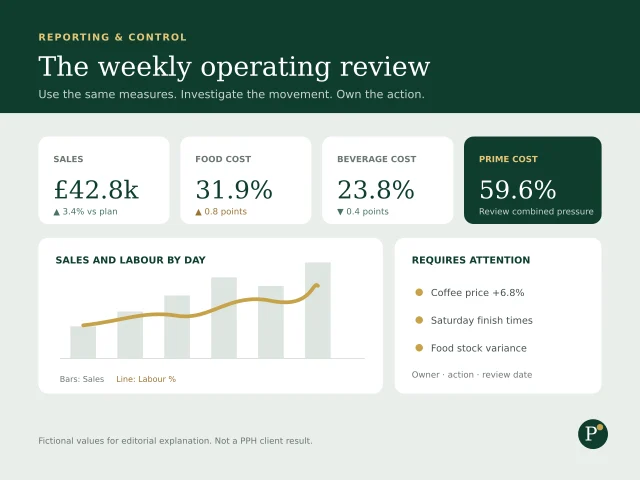
If Beverage Cost moves, do not assume over-pouring. Check sales mix, deliveries and stock movement first. Promotions, complimentary drinks, breakages, wrong till keys and delivery differences can all move the result.
- Review high-volume lines before chasing small-value noise
- Confirm that current recipes and measures match selling prices
- Record waste, spillages, breakages and authorised complimentary drinks
- Compare stock movement with recorded sales over a meaningful period
Fix the system before blaming the person
When one drink repeatedly varies, check the specification, measuring equipment, till setup and training. If the standard is hard to find or different people teach different methods, inconsistency is built into the operation.
Clear standards and useful feedback protect margin without turning the bar into a policing exercise.